Reimagining Enteral Feeding with Coex
Senior Thesis @ Western Michigan University
Overview
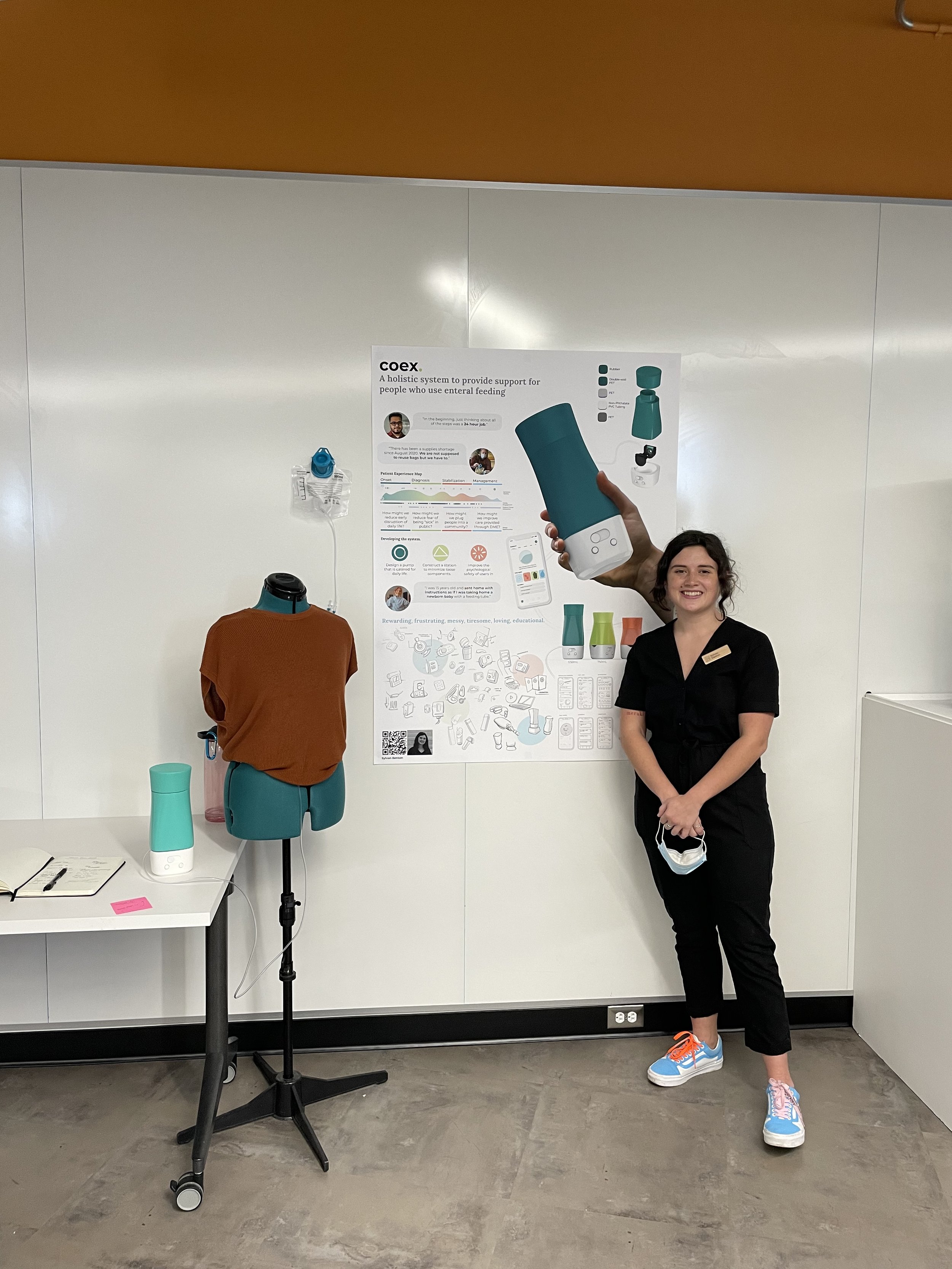
Feeding tubes provide nutrition, fluids, medication, decompress the stomach, and remove stomach contents. Coex. is a holistic system for people who use enteral feeding at home. Education and usability is critical for successful transitions; however, current set-ups are a direct migration from hospital to home and lack the support to promote success. This project focuses on creating a more human experience.
Goal
Create a more dignified, sustainable, and reliable enteral feeding system that eliminates single-use plastic bags, reduces dependency on fragile supply chains, and enables users to move freely without compromising their nutrition or self image.
Outcome
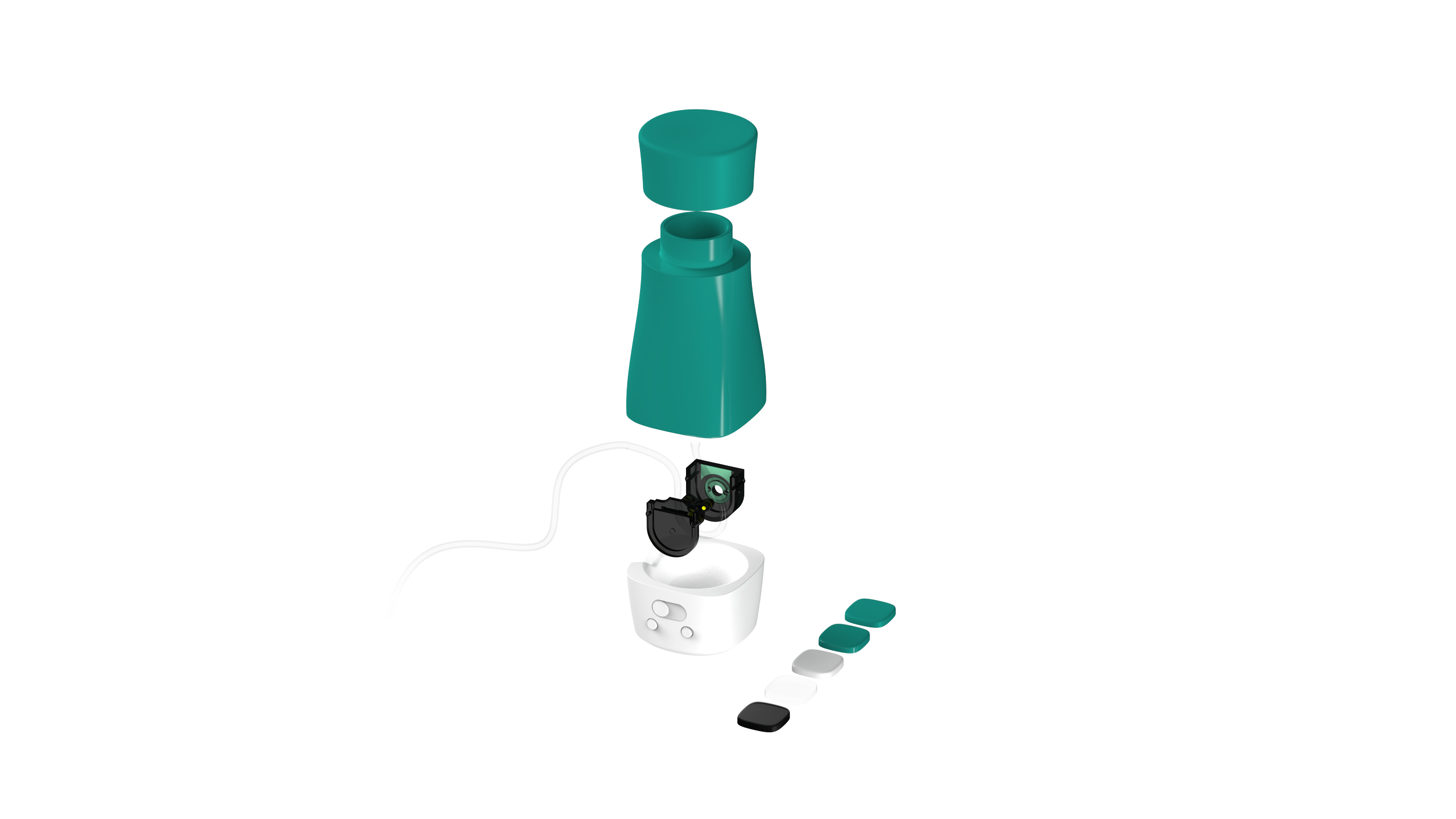
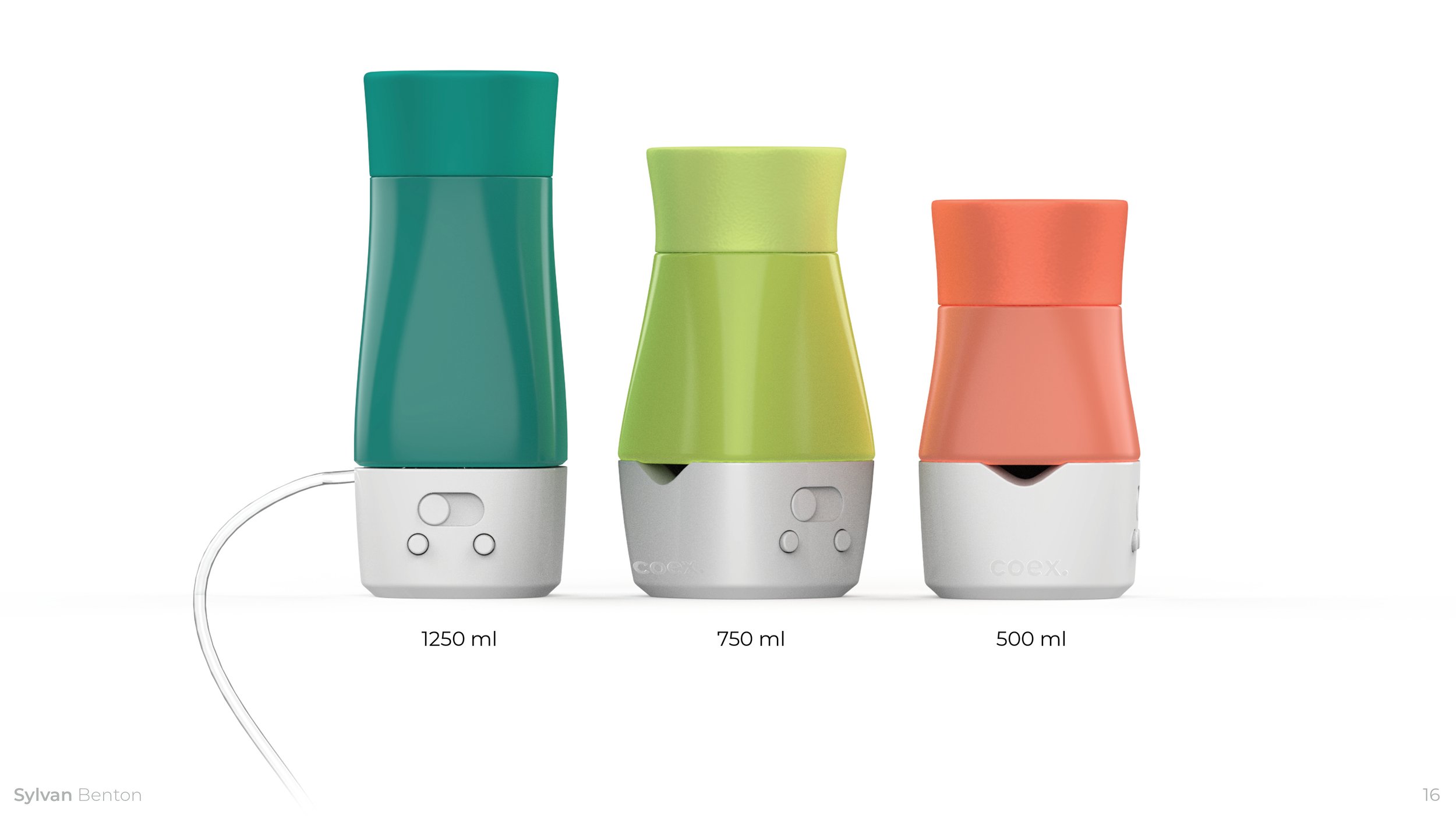
A comprehensive redesign of enteral feeding equipment that includes a discreet, reusable feeding container (similar to a water bottle) that connects to standard pump systems.
My Role
Researcher, Designer
Methods
In-depth interviews with patients and caregivers, surveys, shadowing, iterative prototyping, market research
Tools
Google forms, Fusion360, Keyshot, Adobe Creative Suite, 3D Printer, CNC
Year
Spring 2022
Research
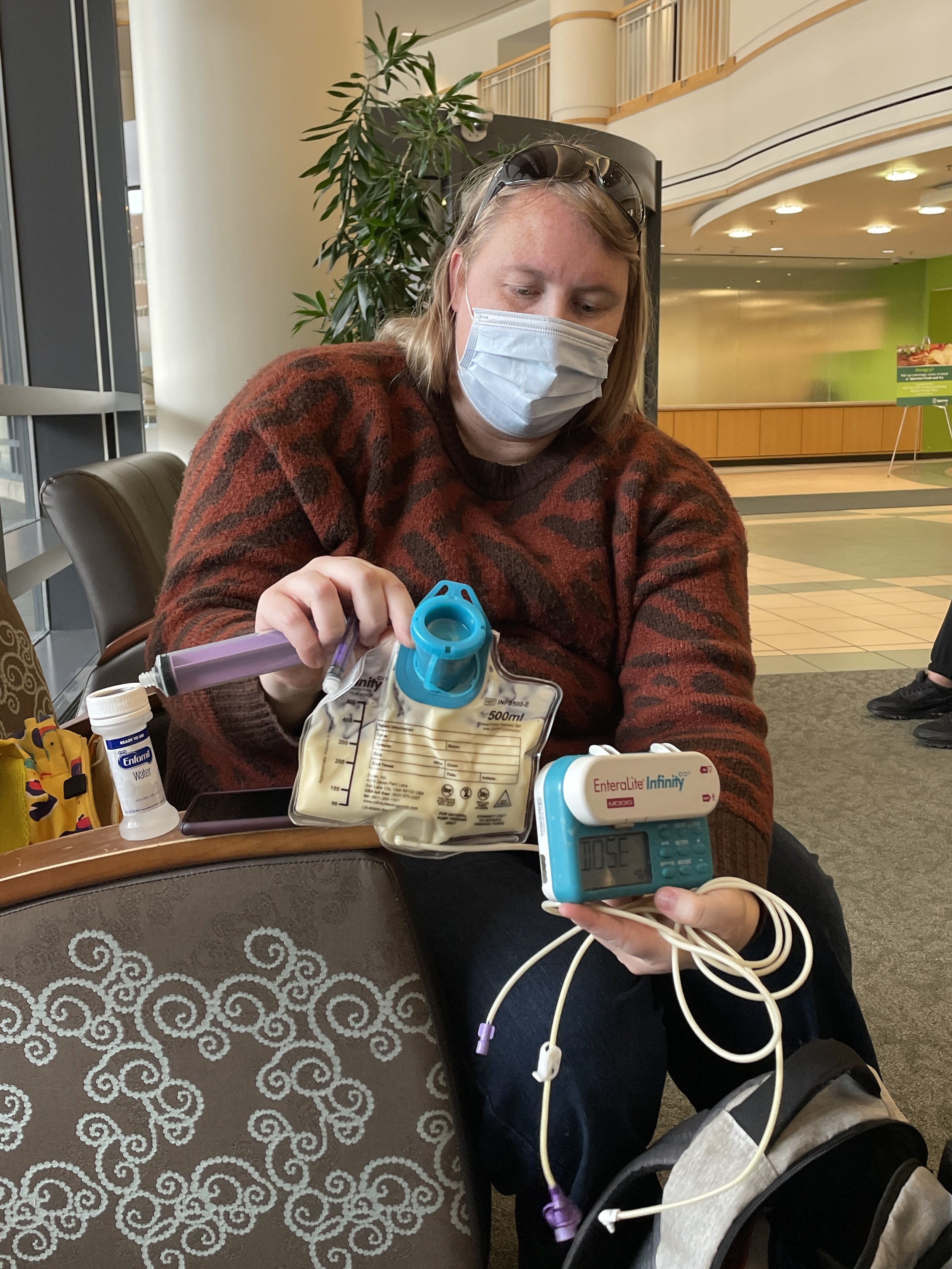
I dove into the enteral feeding community, joining Facebook groups where I surveyed over 30 people and virtually interviewed 8 individuals of all ages who live with feeding tubes or care for someone with a feeding tube. One mother even invited me to meet her at her child's doctor, giving me firsthand insight into the labor of enteral feeding.
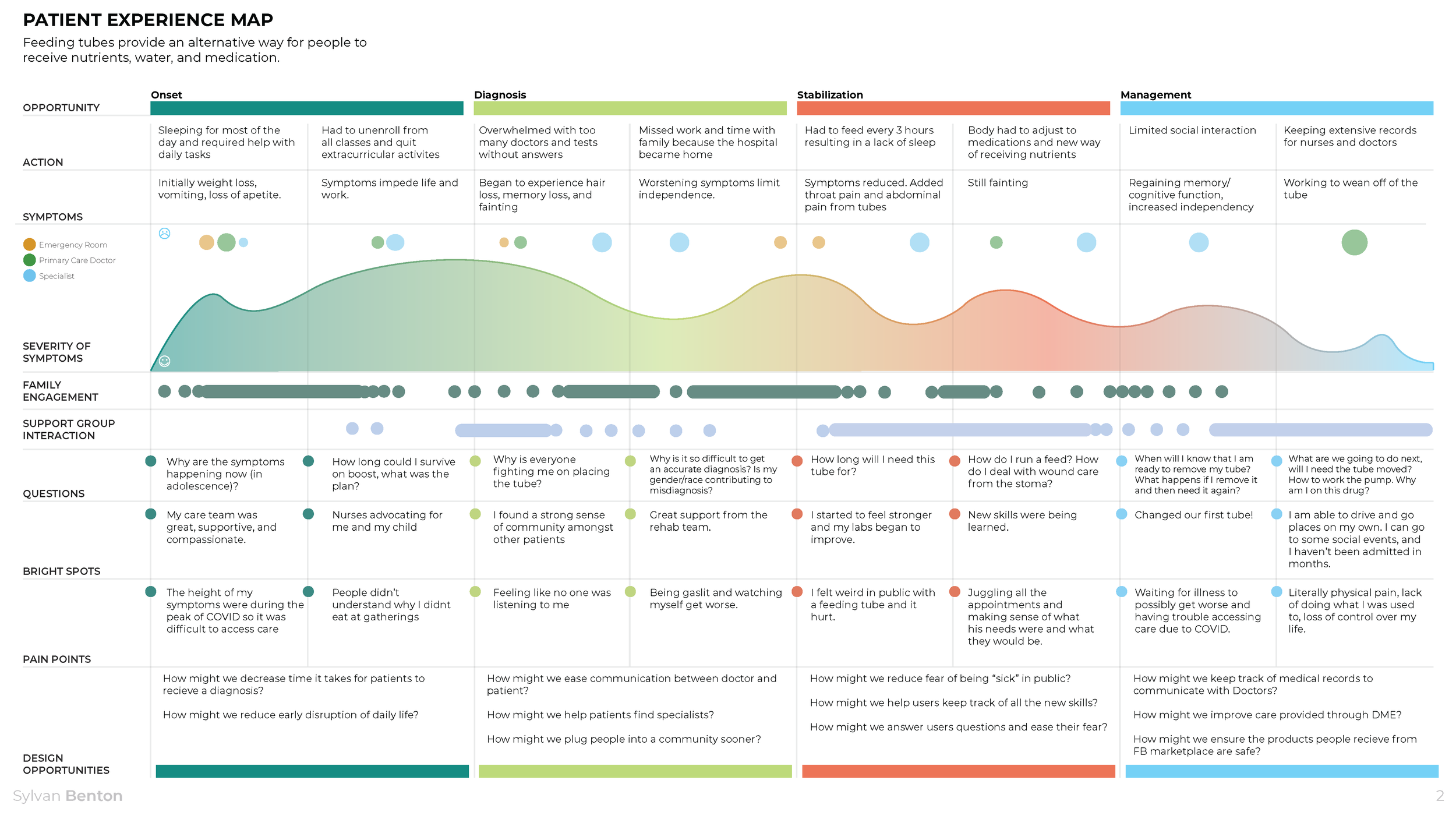
I witnessed the motional toll of current systems and the pragmatic challenges faced during supply chain shortages. The COVID-19 pandemic had exposed serious vulnerabilites when patients couldn't access essential equipment, forcing dangerous improvisation––most commonly seen as handwashing the plastic bags for reuse causing them to deteriorate as they are intended for single use. I used each qualitative and quantitative data point to map out the experience of being a tubie.
Insights
From synthesizing data, I gathered four key insights:
Current systems restrict mobility and independence while compromising dignity
Supply chain disruptions create life threatening situations for people living with feeding tubes
A key component of their care is a single use plastic that most simply do not have access to
A lack of access to supplies and education leads to at-home solutions that increase risk
While requiring this care already demands so much of a person's identity, I decided to approach this challenge guided by these learnings.
Ideation
Pump System
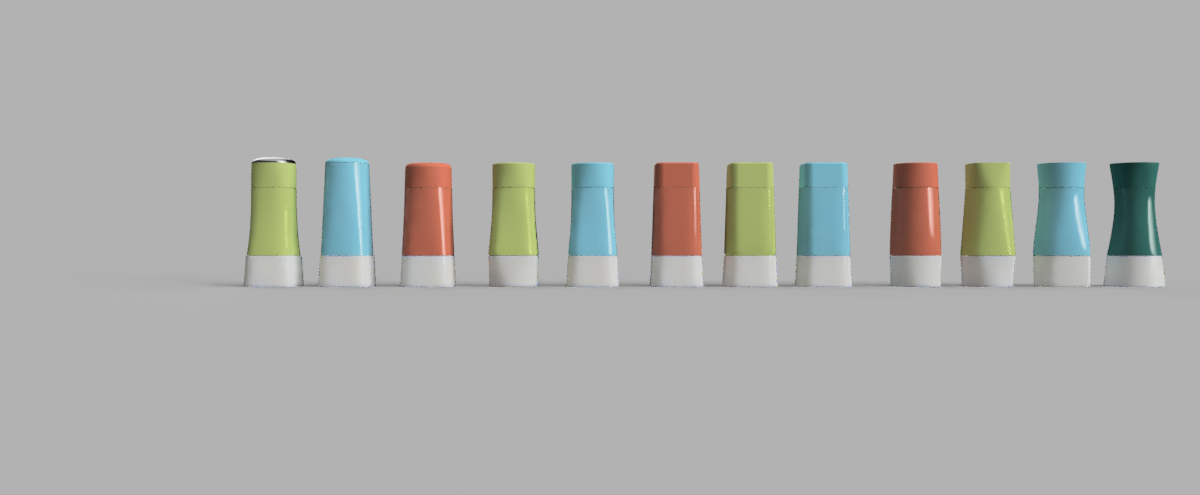
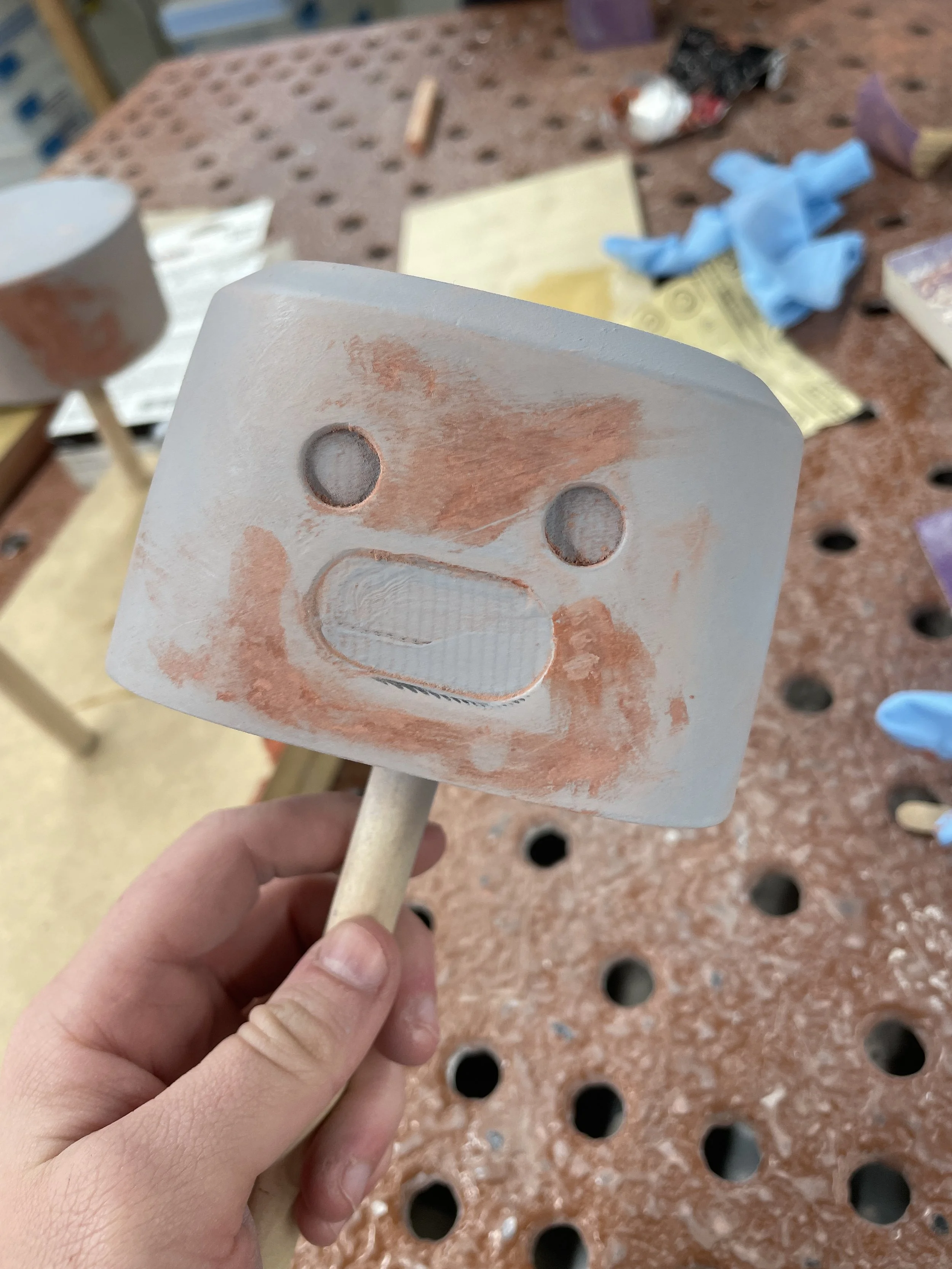
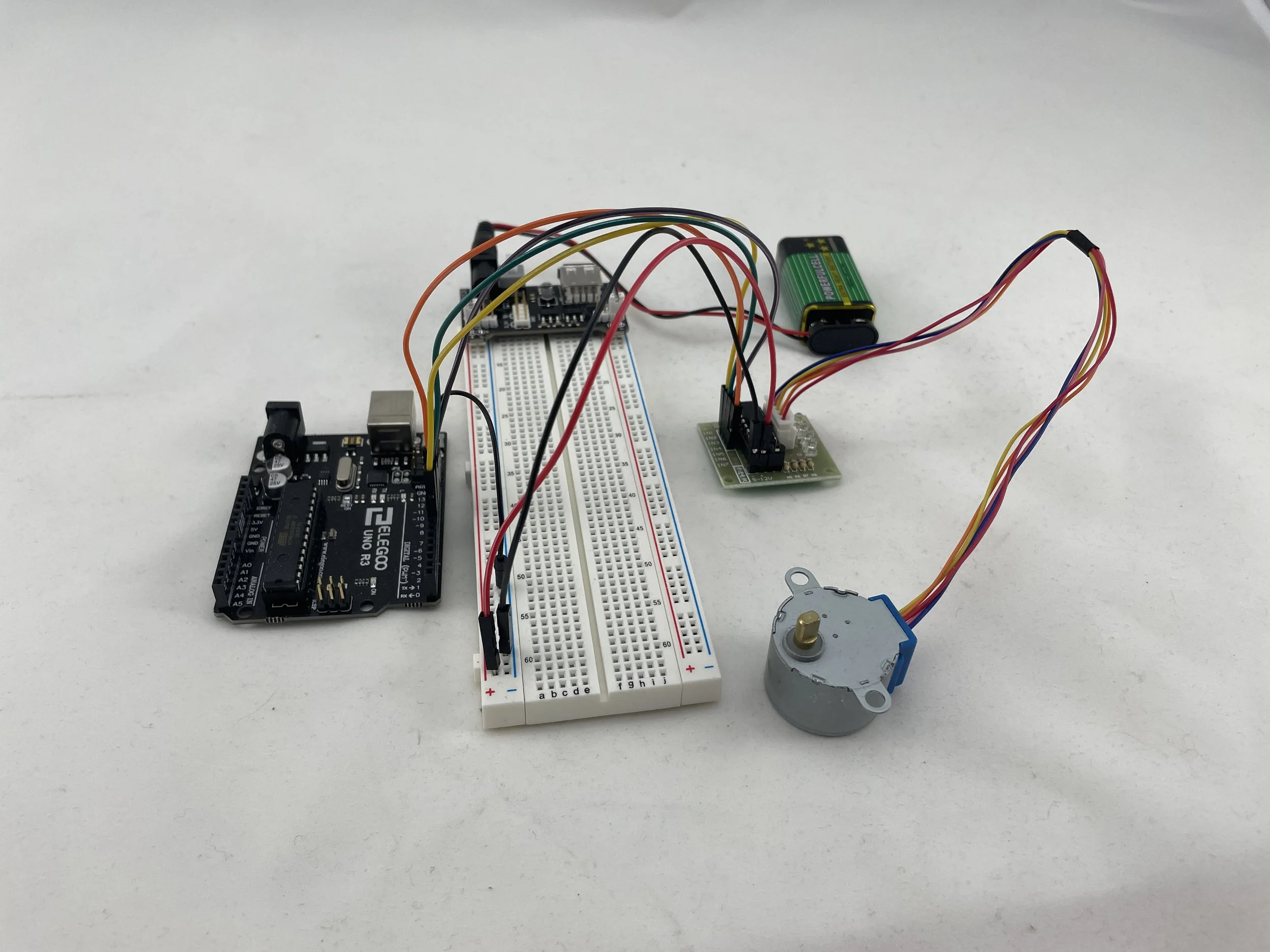
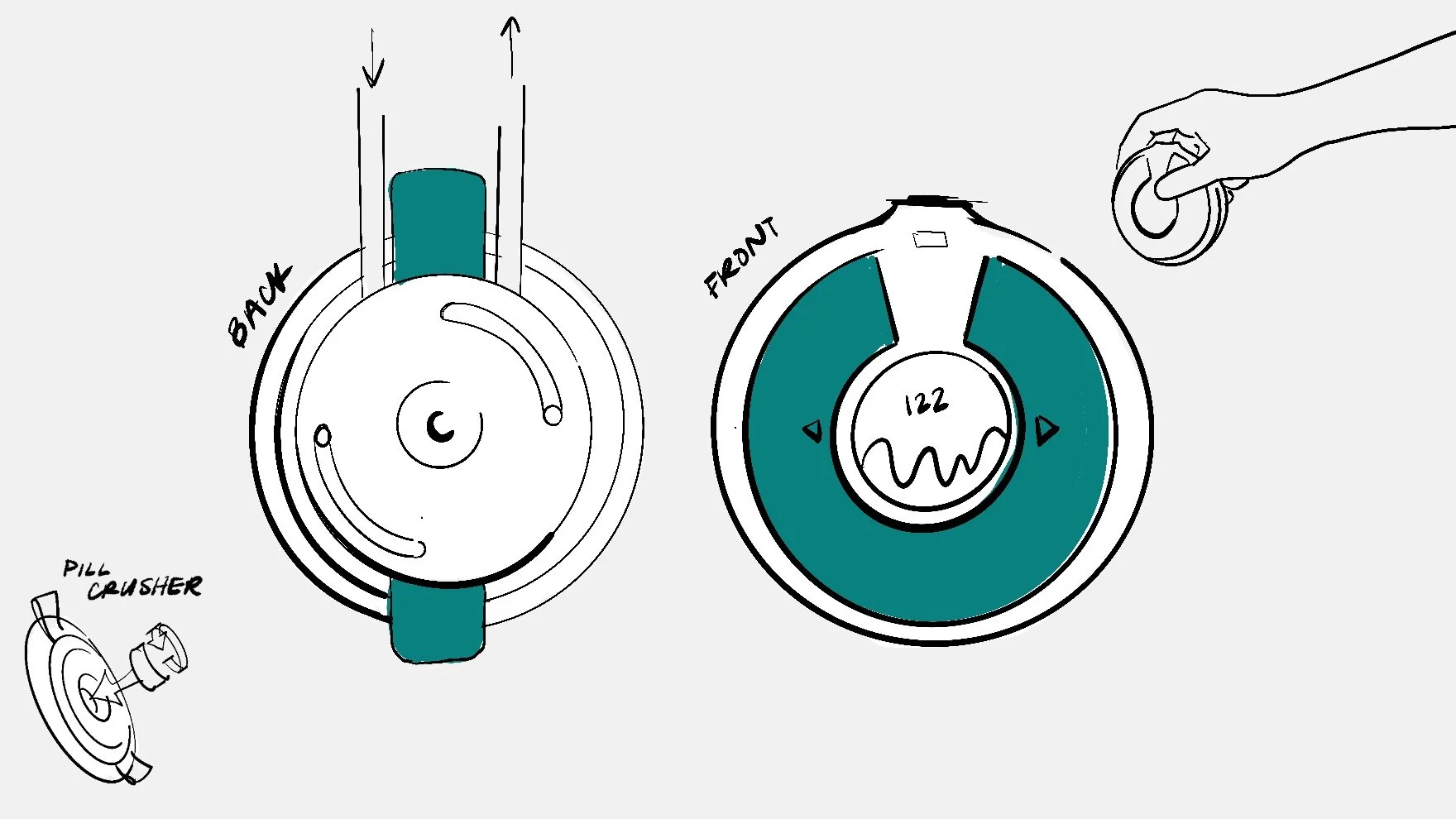
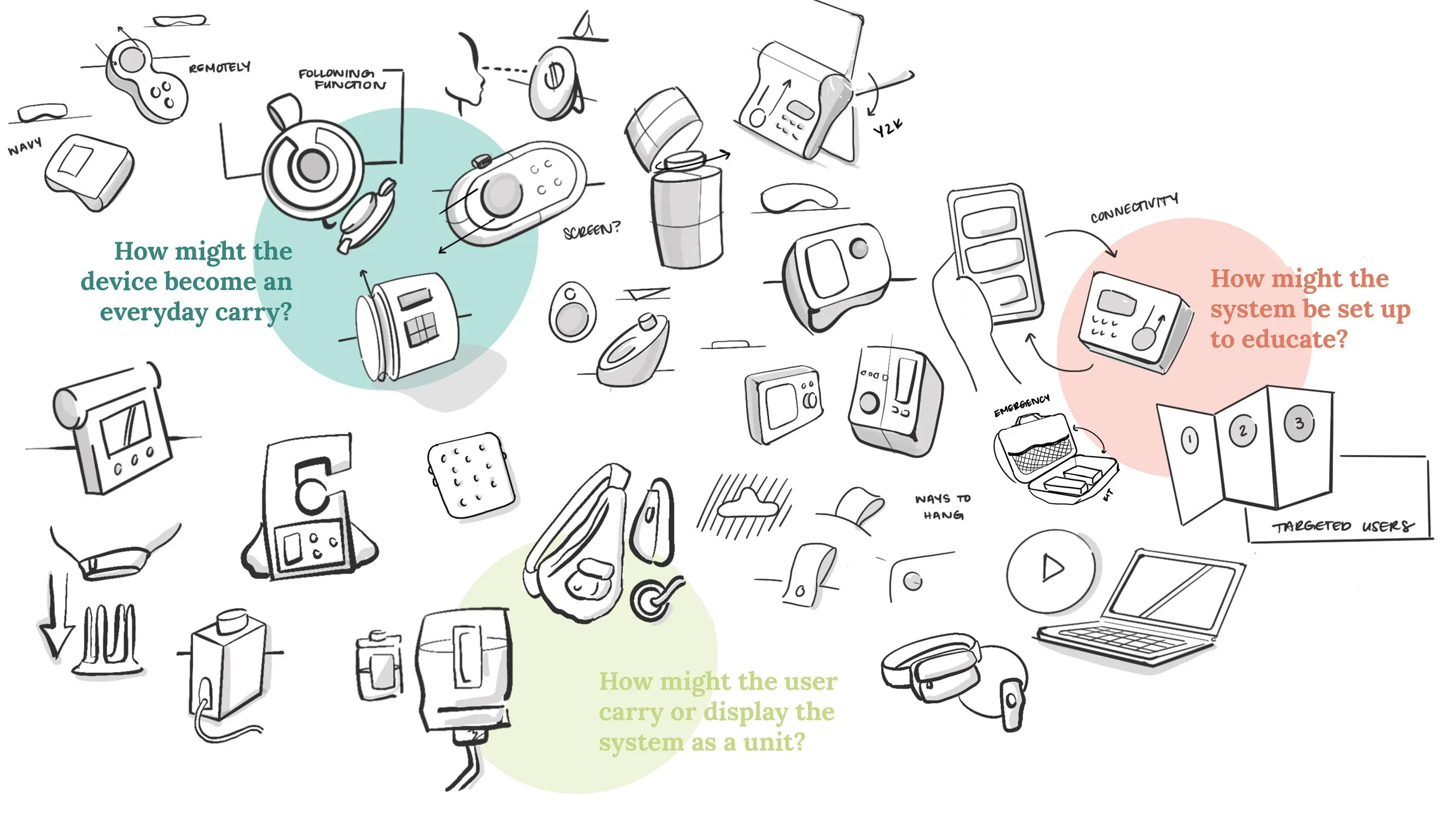
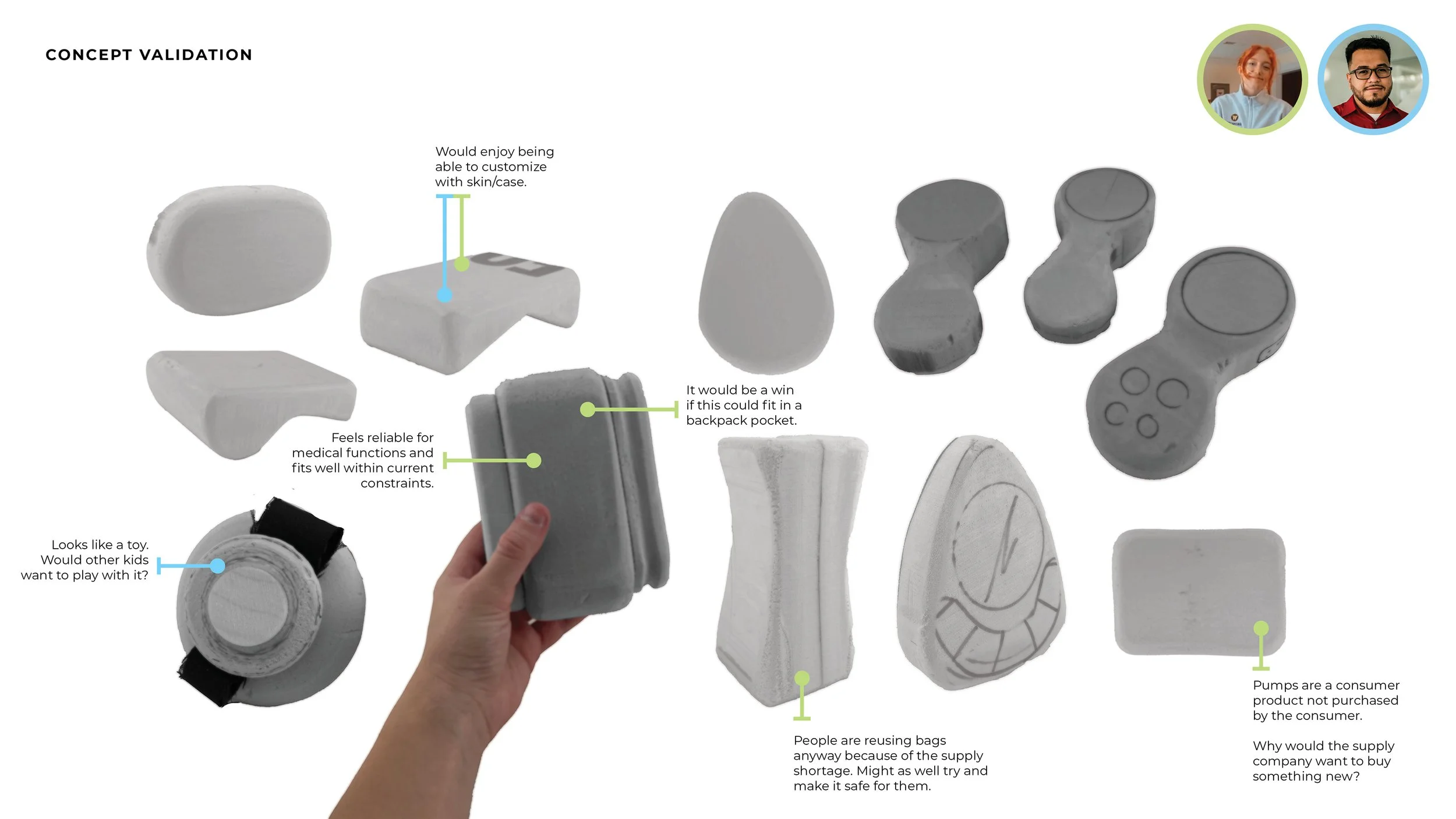
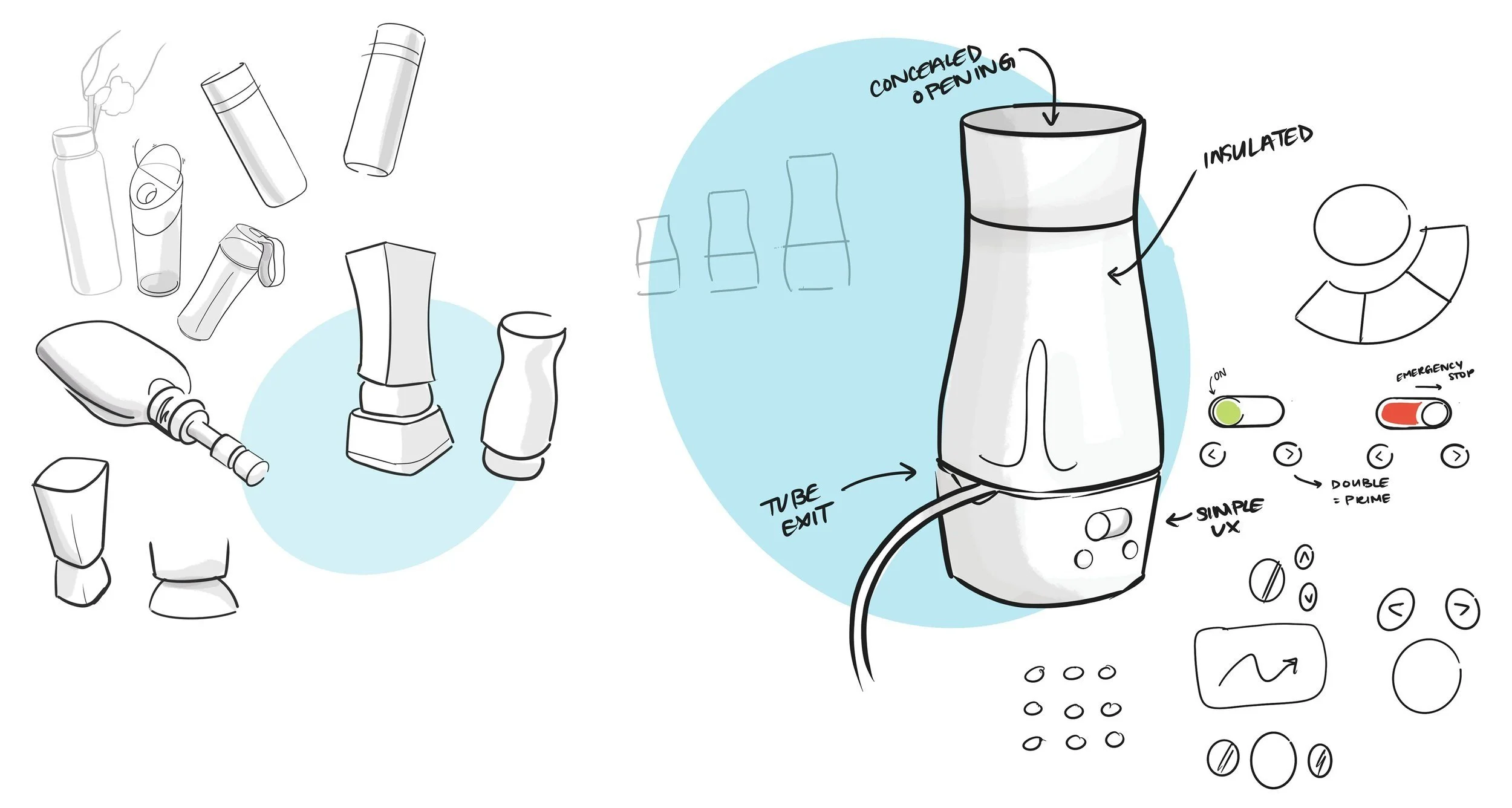
My concepts explored various forms, attachment mechanisms, and disguise options. I reimagined the enteral feeding pump with both aesthetics and functionality in mind. Through rapid prototyping, I tested different forms for usability.
Exploration sketches
Concept validation with a direct user and caregiver
Companion App
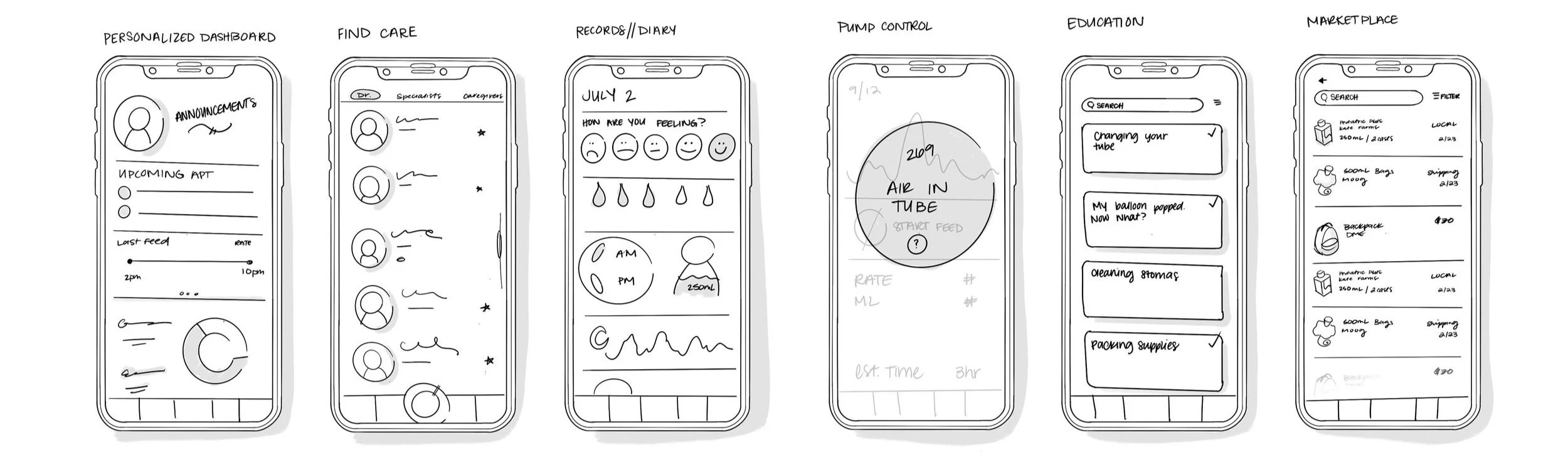
Rather than just another clinical tool, I wanted to bridge the gap between medical necessity and lifestyle management. Enteral feeding used to mean life in the hospital; however, users are increasingly independent and able to live active lives.
Wireframes for app Integration
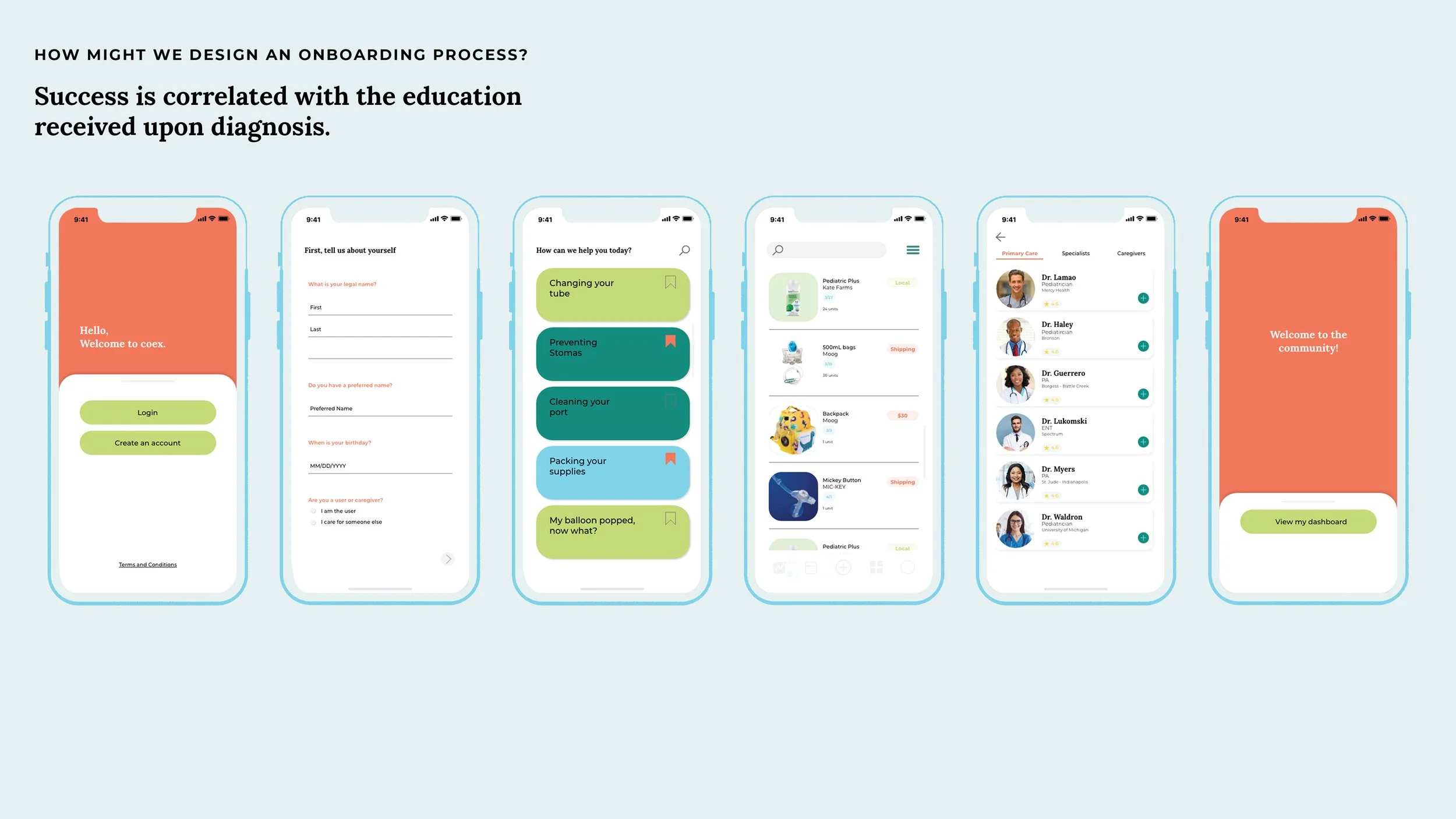
The app transforms data collection from a clinical necessity into a personal wellness journey. users can track correlations between nutrition and energy levels or mood, giving them more agency in their care while providing valuable insights for their healthcare team.
Refocus
I began by redesigning the pump itsself, but through this iterative process found a solution that combined the components into one device that offers a more lifestyle-oriented experience.
Bypassing the bag highlighted both economic and sustainability opportunities. With the current system users spend ~$1,080 per year for single use bags and these same bags contribute ~24M pounds of trash per year.
Key Learnings
Finding creative routes to find participants and do the research
When I started this project, i did not personally know anyone who used a feeding tube, and during COVD-19, the people I needed to engage with were in high-risk health categories. This was also a senior thesis with zero budget, so I had to get creative with my research approach. By joining facebook support groups and building trust with the community, I was able to connect with people both virtually and in-person consisting of all ages, degrees of need, and located across the country. This ultimately worked in my favor as I was not limited to the users in Kalamazoo, MI.
Dignity as a fundamental design consideration
Before this project, I had little exposure to the healthcare system. Throughout this project, I discovered how the healthcare system often overlooks the emotional impact of medical equipment design on patients' quality of life. People using feeding tubes frequently mentioned feeling medicalized by their equipment, which effected their social interactions and self-image. By focusing on the experiential aspects of the design, I learned that medical devices don't have to announce themselves as such–they can be discreet, personal, and even beautiful while maintaining their functionality.
Designing at the intersection
Perhaps most importantly, the Coex. project taught me that thoughtful design can create powerful intersections between seemingly separate concerns. A single solution can simultaneously address environmental sustainability through eliminating single-use plastics, supply chain resilience by reducing dependency on those disposable components, and the deeply human needs for dignity and independence. This multi-faceted approach to problem-solving is something I now bring to every design challenge I face.